
Finding original paint codes
Look for labels, records, surviving chips and hidden or protected areas. Record what is original and what may be a later repaint.
A paint guide for restoration shops, collectors, custom builders and serious hobbyists—focused on evidence, preparation, color and finish rather than mechanical restoration.
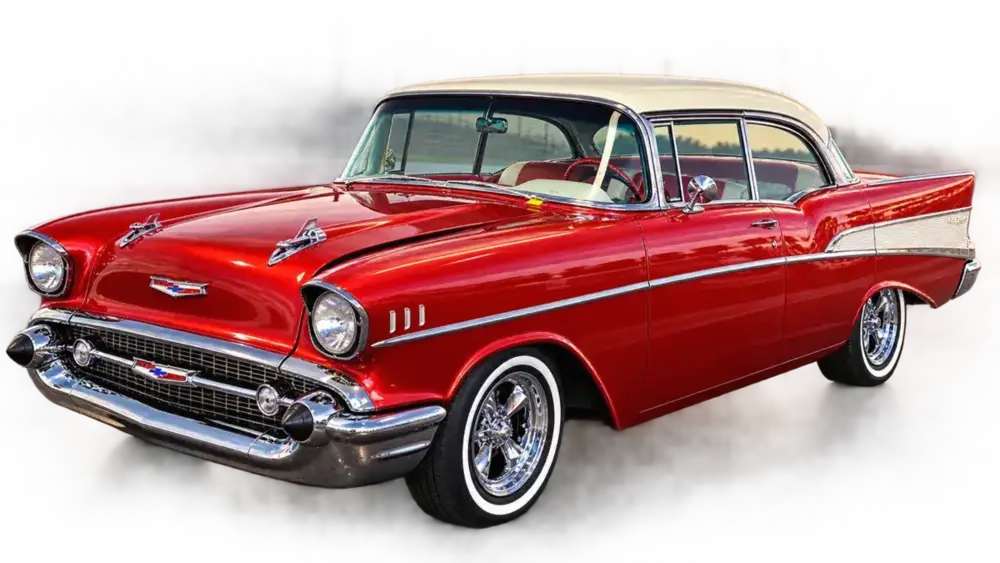
That choice affects research, color evidence, surface preparation, finish and how a new panel should relate to the rest of the vehicle. A photo can tell a story, but it cannot guarantee an exact color match.
Open Color LabBring evidence to the counter. A thoughtful restoration plan leaves the next repair with better information.
Look for labels, records, surviving chips and hidden or protected areas. Record what is original and what may be a later repaint.
A familiar code may have multiple visual versions. Evaluate a physical spray-out and note what is known rather than treating a name as proof.
Decide how closely the finish should follow the evidence. Factory-correct and modern restomod goals can lead to different system conversations.
A contemporary system may reproduce the intent while changing application, sheen or repair behavior. Discuss the tradeoff openly.
Both directions can make sense in the right context. Color, use, finish and compatibility should determine the system.
Effect colors can shift with ground coat, passes, orientation and light. Plan a test panel and a repeatable application.
A repair needs a plan for the edge and adjacent finish. A blend can be useful, but it is not a shortcut around preparation.
Age, oxidation and previous repairs can make surviving paint a poor direct reference. Preserve evidence and compare samples.
A color change is a complete project decision that includes jambs, edges, engine bay or trunk areas if they are part of the scope.
A physical test reveals coverage, effect, sheen and process. It is more informative than a color seen on a screen.
Bring paint codes, chips, labels, removable panels, photos, records, desired finish and a clear statement of authenticity or custom intent.
Eric can help evaluate evidence, possible variants and a match appropriate for the repair or project.